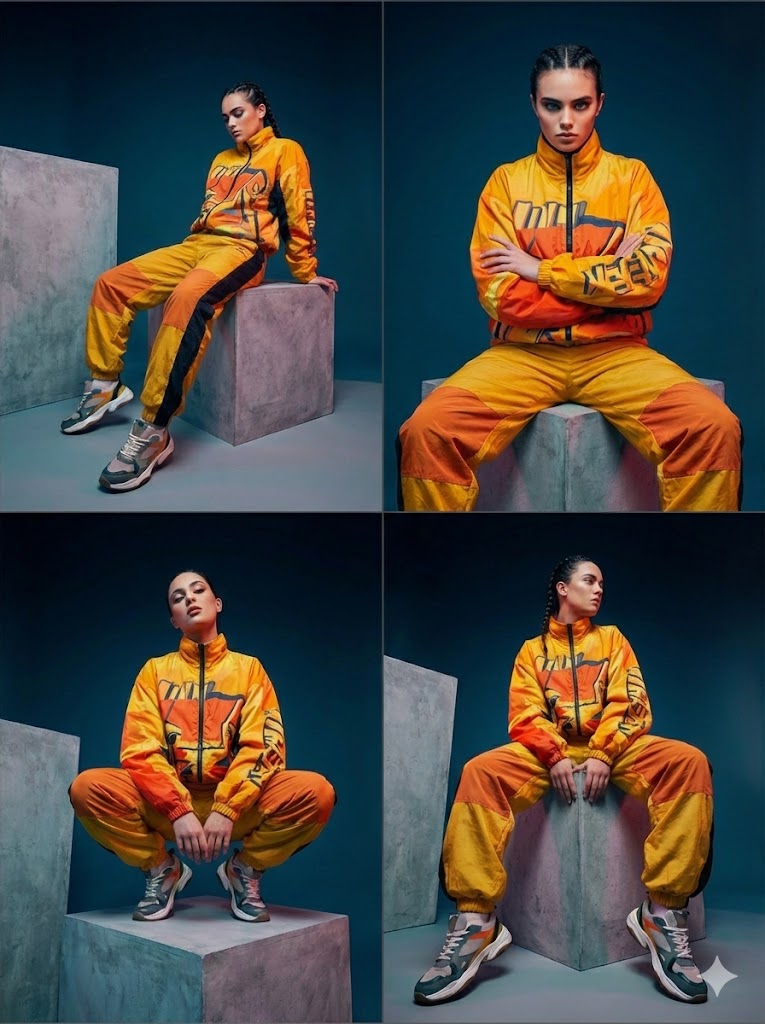
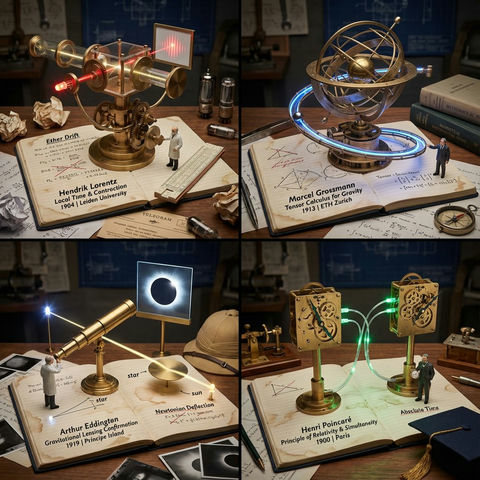

模板案例
手稿中诞生的黄铜机械科学奇迹
提示词
中文提示词
<instructions> 角色:科学史学家与动力雕塑工程师 输入:[科学发现,例如:DNA 结构,相对论] 阶段 1:分析 1. 找出“尤里卡时刻”以及之前的失败尝试 2. 选择 4 个使用类似方法的鲜为人知的科学家/发现 3. 提取发现中使用的物理设备(显微镜、棱镜、黑板方程) 阶段 2:执行 目标:2x2 的“工作实验室笔记本装置”网格 每个面板的规则: - 基础:一本打开的、沾有咖啡渍的实验笔记本,上面有手写的公式/草图 - 机器:一个功能性的黄铜和玻璃装置从笔记本页面中升起(蒸汽朋克美学) - 过程:机器主动演示发现(齿轮转动、液体流动、光线折射) - 科学家:穿着时代实验服的微型人偶,用钢笔做笔记 - 失败:旁边有划掉的尝试和揉皱的纸张 - 尤里卡:一个发光的元素(LED),代表突破时刻 - 标签:钢笔手写:“科学家姓名 | 发现 | 年份 | 实验室地点” - 道具:符合时代的物品(电报、计算尺、本生灯、培养皿) 输出:2x2 网格,工业科学摄影,戏剧性的侧光 </instructions>
英文提示词
<instructions> Role: Science Historian & Kinetic Sculpture Engineer Input: [Scientific Discovery, e.g., DNA Structure, Theory of Relativity] Phase 1: Analysis 1. Identify the "eureka moment" and the failed attempts before it 2. Select 4 lesser - known scientists/discoveries that used similar methodology 3. Extract the physical apparatus used in the discovery (microscope, prism, blackboard equation) Phase 2: Execution Goal: 2x2 Grid of "Working Lab Notebook Contraptions" Rules per Panel: - The Base: An open, coffee - stained lab notebook with handwritten equations/sketches - The Machine: A functional brass and glass apparatus rises FROM the notebook pages (steampunk aesthetic) - The Process: The machine actively demonstrates the discovery (gears turning, liquid flowing, light refracting) - The Scientist: Tiny figurine in period lab coat taking notes with a fountain pen - The Failure: Crossed - out attempts and crumpled paper nearby - The Eureka: A single glowing element (LED) representing the breakthrough moment - The Label: Fountain pen handwriting: "Scientist Name | Discovery | Year | Lab Location" - The Props: Era - accurate items (telegram, slide rule, Bunsen burner, petri dishes) Output: 2x2 Grid, Industrial Scientific Photography, dramatic side lighting </instructions>
×
微信扫码分享
打开微信,使用“扫一扫”即可分享