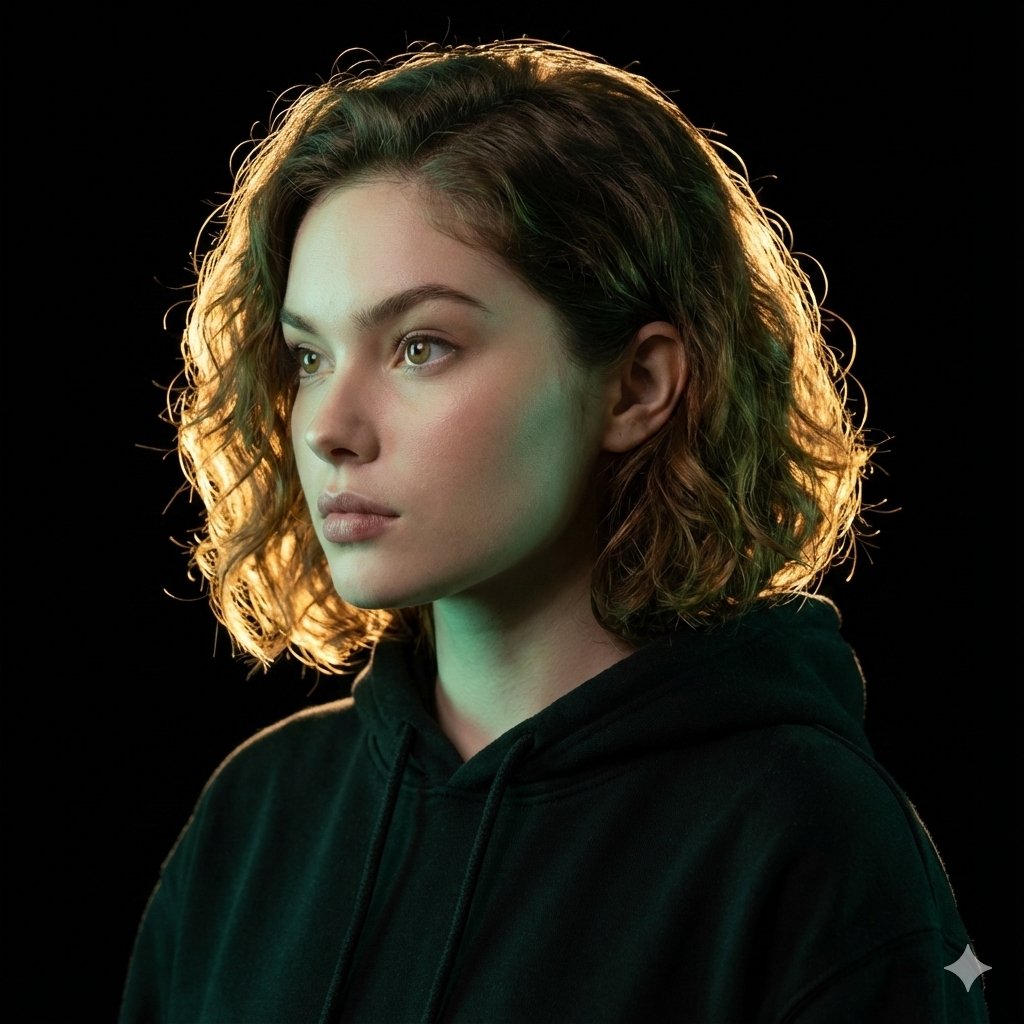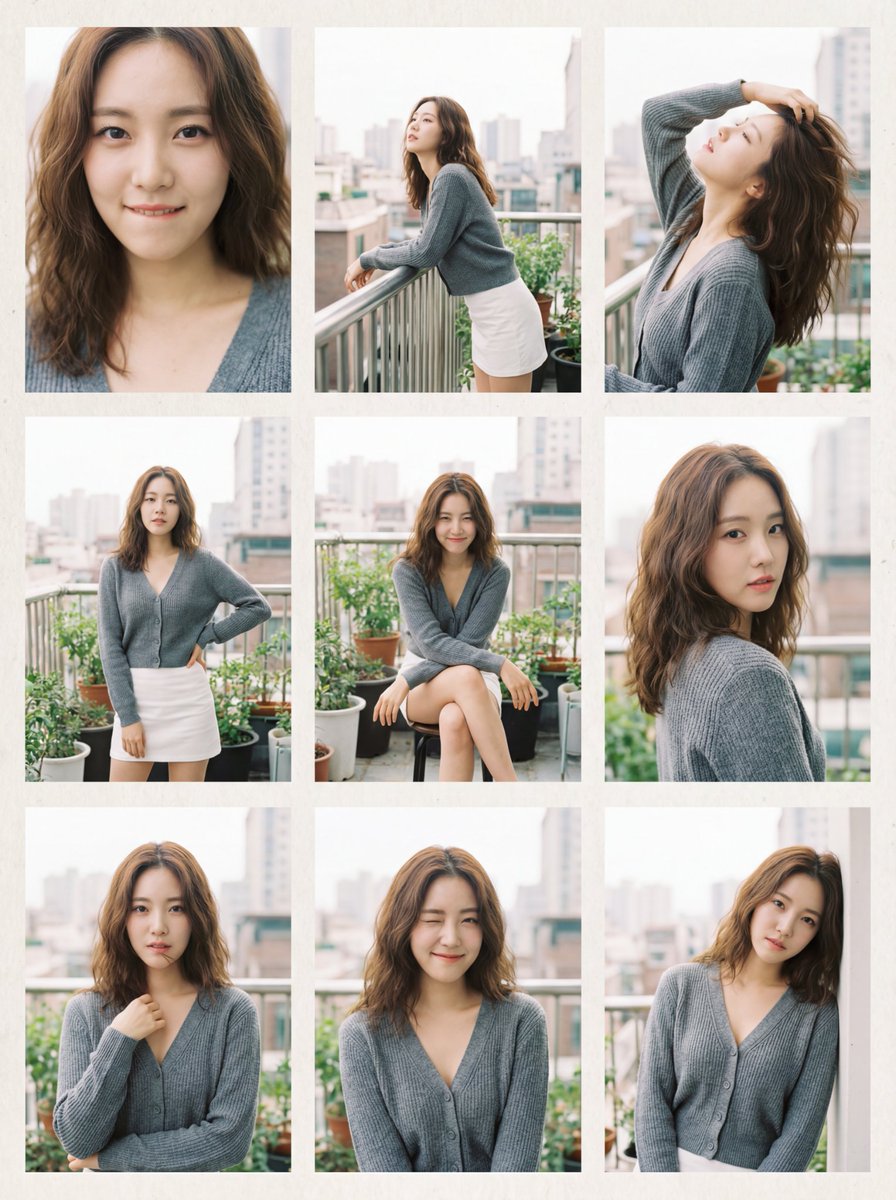


模板案例
电影级画面后期调色与质感增强
提示词
中文提示词
【模式 (只能选择一个 / 禁止多选)】 模式: A / B / C / D •A = 主体突出 (让主要主体一目了然) •B = 空间沉浸 (增强深度和真实感) •C = 氛围感 (关注湿度、温度、重量等“空气感”) •D = 电影级完成度 (优先考虑完成质量而非华丽程度) ⸻ 【基本目标】 将附带图像视为电影制作的后期制作阶段,使用镜头、光线、特效和色彩,将其完成为“一眼就能看出明显变化的完成剪辑”。 无需保留。但是,请明确过程和责任,避免过度处理。 ⸻ 【起始帧 (绝对)】 按原样使用附带图像。 不得改变构图、主体、位置、方向或比例。 不得改变摄像机位置。禁止裁剪。 不得添加或删除新对象、文本或装饰。 ⸻ 【固定条件 (绝对遵守 / 禁止更改)】 时间、天气、季节和故事情境保持不变。 禁止误导这些的导演。 只能指导“外观”。 ⸻ 【流程 1: 镜头重新设计 (必须创建“结构性变化”)】 分析原始图像的镜头特征 (焦距印象 / 景深 / 周边描绘),并将其明确更改为电影镜头的物理特征。 必须重新设计以下内容: •焦距印象 •景深 •周边描绘 (散景、暗角、像差) 各模式的镜头策略 (必须遵循) •模式 A: 优先分离主要主体。背景组织。禁止浅景深,但要向“只有主要主体清晰”的景深移动。轻微暗角引导视线到中心。 •模式 B: 优先空间深度。向前景到远背景的距离可读的景深移动。周边信息保留,空间不中断。 •模式 C: 优先空气层。标准范围内的自然印象。通过渐变和微妙模糊感受密度 (但禁止浑浊)。 •模式 D: 优先电影稳定性。禁止极端散景或夸张。抑制像差,镜头感与庄重感融为一体。 此流程的通过条件: 与原始图像相比,图像的三维结构发生变化必须一目了然。 ⸻ 【流程 2: 光照重建 (视线引导)】 允许添加和强调光源。 但是,新光源必须仅在“叙事上合理”的范围内。 禁止误导时间或天气的光线。 光线必须始终用于引导视线到主要主体。 各模式的光照策略 •模式 A: 组织主要主体的关键光/轮廓光/反射光以增强存在感,并抑制背景。 •模式 B: 创建从前景 → 中景 → 背景的光线渐变,在深度方向引导视线。 •模式 C: 强调漫射光和环绕光,以增加整个空间的密度 (不要过度增强光源感)。 •模式 D: 禁止不自然的强光。优先“组织”现有光线,并将其调整为自然的电影光照。 ⸻ 【流程 3: 特效 (空间的触感)】 目的不是华丽,而是“能够触摸到空间的感觉”。 允许使用: 体积光 / 空中颗粒 / 薄雾、雾霾、湿度 / 微妙的镜头光晕 / 光散射。 效果不应均匀应用,也不应干扰主要主体。 各模式的输入量 •模式 A: 最小。仅在主要主体周围和视线路径上。 •模式 B: 中等。在深度方向创建层次。 •模式 C: 微量,但以“密度”形式存在于整个空间 (不要使其突出)。 •模式 D: 不可见的水平。即使存在也察觉不到的庄重感。 ⸻ 【流程 4: 色彩分级 (角色重新分配)】 色相保持不变。不添加颜色,但明确角色。 重新分配饱和度、对比度和亮度,并整合到电影色调中。 各模式的色彩策略 •模式 A: 优先主要主体的清晰度和分离。抑制背景的饱和度/信息。 •模式 B: 通过深度方向的色彩层次支持空间。强调渐变。 •模式 C: 适度饱和,通过亮度和微妙色温差异表达空气感。 •模式 D: 禁止 LUT 感。优先统一性和庄重感,避免过度强调。 ⸻ 【流程 5: 最终检查 (必需)】 满足以下所有条件: •与原始图像并排比较时,差异一目了然 •不觉得情境发生变化 (时间、天气、季节、故事保持不变) •光线和特效看起来不过度 •它作为一个单一的电影剪辑发挥作用 •超高清晰度。电影质量。
英文提示词
【MODE (Select only one / Multiple forbidden)】 MODE: A / B / C / D •A = Subject Emphasis (Make the main subject stand out at a glance) •B = Spatial Immersion (Enhance depth and realism) •C = Atmosphere (Focus on 'air' such as humidity, temperature, and weight) •D = Cinematic Completion (Prioritize finished quality over flashiness) ⸻ 【Fundamental Objective】 Treat the attached image as the final post-production stage of film production, and finish it as a "completed cut where the change is obvious at a glance" using lens, light, special effects, and color. No need to hold back. However, clarify the process and responsibility, and avoid overdoing it. ⸻ 【Starting Frame (Absolute)】 Use the attached image as is. Do not change the composition, subject, placement, orientation, or ratio at all. Do not change the camera position. Trimming is forbidden. Do not add or remove new objects, text, or decorations. ⸻ 【Fixed Conditions (Absolute Compliance / Change Forbidden)】 Time of day, weather, season, and story situation are invariant. Directing that misleads these is forbidden. Only the "appearance" can be directed. ⸻ 【Process 1: Lens Redesign (Must create a “structural change”)】 Analyze the lens characteristics of the original image (impression of focal length / depth of field / peripheral depiction), and clearly change them to the physical characteristics of a cinema lens. Must redesign the following: •Impression of focal length •Depth of field •Peripheral depiction (bokeh, vignetting, aberration) Lens Policy by MODE (Must follow) •MODE A: Prioritize separation of the main subject. Background organization. Shallow depth is forbidden, but move towards a depth where “only the main subject is clear.” Light vignetting guides the gaze to the center. •MODE B: Prioritize spatial depth. Move towards a depth where the distance from foreground to far background can be read. Peripheral information remains, and the space is not interrupted. •MODE C: Prioritize the layer of air. Natural impression in the standard range. Density is felt through gradation and subtle blurring (but turbidity is forbidden). •MODE D: Prioritize cinematic stability. Extreme bokeh or exaggeration is forbidden. Aberration is suppressed, and the lens feel is integrated with dignity. Pass Condition for this process: It must be obvious at a glance that the three-dimensional structure of the image has changed compared to the original image. ⸻ 【Process 2: Lighting Reconstruction (Gaze Guidance)】 Addition and emphasis of light sources are permitted. However, new light must only be within the “narratively plausible range.” Light that misleads the time of day or weather is forbidden. Light must always be used to guide the gaze to the main subject. Lighting Policy by MODE •MODE A: Organize the key/rim/reflection of the main subject to enhance presence, and suppress the background. •MODE B: Create a light gradient from foreground → midground → background, guiding the gaze in the depth direction. •MODE C: Emphasize diffused light and wrap-around light to increase the density of the entire space (do not overly strengthen the sense of light source). •MODE D: Unnatural highlights are forbidden. Prioritize the “organization” of existing light and adjust it to natural cinematic lighting. ⸻ 【Process 3: Special Effects (Tactile Sense of Space)】 Purpose is not flashiness but the “feeling of being able to touch the space.” Permitted use: volume light / airborne particles / mist, haze, humidity / subtle lens flare / light scattering. Effects should not be applied uniformly and should not interfere with the main subject. Input Amount by MODE •MODE A: Minimum. Only around the main subject and the path of the gaze. •MODE B: Medium. Create layers in the depth direction. •MODE C: Trace amount, but exists as “density” throughout (do not make it stand out). •MODE D: Invisible level. Dignity that is unnoticed even if present. ⸻ 【Process 4: Color Grading (Role Reallocation)】 Hue is maintained. Do not add color, but clarify roles. Reallocate saturation, contrast, and brightness, and integrate into a cinematic tone. Color Policy by MODE •MODE A: Prioritize the clarity and separation of the main subject. Suppress saturation/information in the background. •MODE B: Support the space with layers of color in the depth direction. Emphasize gradation. •MODE C: Moderate saturation, express air with differences in brightness and subtle color temperature. •MODE D: LUT feel is forbidden. Prioritize unity and dignity, and avoid excessive assertion. ⸻ 【Process 5: Final Check (Required)】 Satisfy all of the following: •The difference is obvious at a glance when compared side-by-side with the original image •It does not feel like the situation has changed (time of day, weather, season, story remain invariant) •Light and special effects do not look overdone •It functions as a single cinematic cut •Ultra-high definition. Film quality.
×
微信扫码分享
打开微信,使用“扫一扫”即可分享