
模板案例
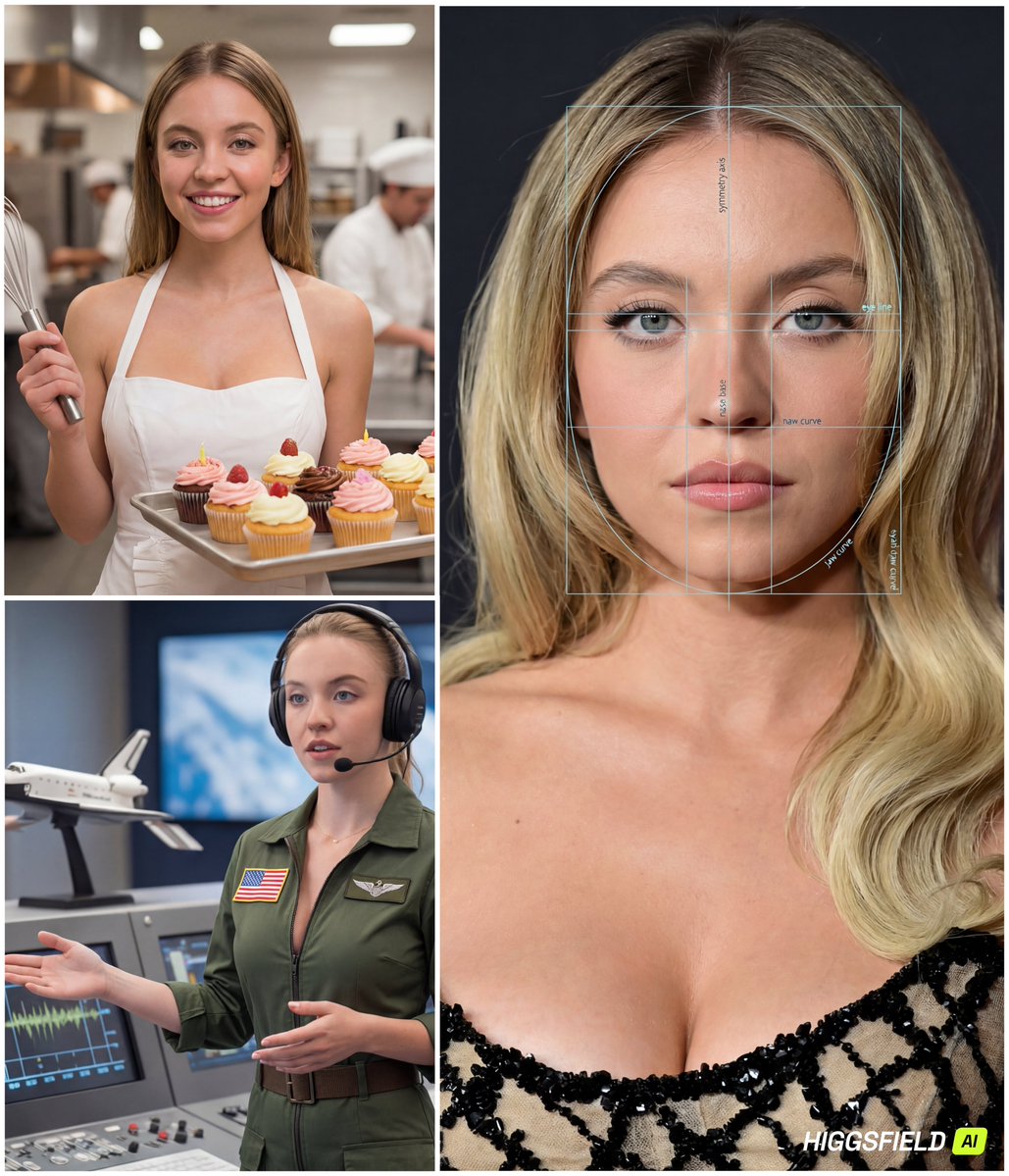
颜值定职业:面部美学分析与跨行形象模拟
提示词
中文提示词
{
  "referenced_image_ids": [
    "<PASTE_INPUT_IMAGE_ID_HERE>"
  ],
  "size": "1024x1536",
  "n": 1,
  "prompt": "基于提供的参考面部,创建一张单一的复合图像(一个整洁的四格拼贴画)。最终输出必须包含:(A) 左侧一个大面板(约占 65% 宽度,全高),显示同一人物的高级“面部分析”肖像;以及 (B) 右侧垂直堆叠的三个小面板(约占 35% 宽度),显示同一人物从事三种不同职业。 关键职业选择规则: - 您必须根据人物的面部气质和参考图像中的整体外观(例如,感知到的性情、风格、气场、自信、柔和/严肃、优雅/运动、创意/分析气质)来选择这三种职业。请勿随意选择工作。 - 选择与人物外貌和气场看似一致的职业(“面部与职业匹配”概念)。 - 这三种职业必须截然不同,并涵盖不同的原型(例如,一个企业/战略型,一个创意/媒体型,一个技术/现场型)。避免重复类似的行业。 - 选择要有趣且讨人喜欢,但仍需可信。 通用规则(适用于所有面板): - 所有面板中的人物必须看起来是同一个人(面部特征、发际线、眼睛形状/颜色、肤色、比例保持一致)。 - 逼真、高端的编辑摄影风格。 - 请勿添加任何真实姓名、ID、生物识别分数或身份声明。这仅用于说明。 - 避免大量文字。分析面板中只允许使用最少的标签。 面板 A(左侧,大面板):“面部分析”肖像 - 特写、居中、对称肖像(头部和颈部上方),影棚灯光,对焦清晰。 - 叠加半透明的面部分析网格:对称轴、眼线、鼻基线、下颌曲线弧线、比例引导线(黄金比例风格)。 - 添加细微、极简的英文微标签,例如:“symmetry axis”、“eye line”、“jaw curve”、“proportion guide”。标签要小巧精致。 - 使其看起来像高级美学/美容分析图(现代 UI 叠加,而非医疗)。 面板 B/C/D(右侧,三个小面板):职业肖像 对于选择的每种职业,描绘: 1) 一套与工作高度匹配的服装(适合该角色的制服/PPE/工具/配饰)。 2) 一个与工作相符的清晰环境(办公室、工作室、片场、实验室、工地、户外等)。 3) 一个与角色相符的轻松有趣的元素(一个迷人的道具、一个诙谐的瞬间、一个有趣但真实的动作),但不要卡通化。 - 每个面板中面部都应清晰可见且可识别。 - 使用电影级灯光和浅景深;背景应丰富但不杂乱。 构图与质量: - 输出必须是包含所有 4 个面板的单一图像,面板之间有细白色边框。 - 统一的色彩分级 a"
}
英文提示词
{
  "referenced_image_ids": [
    "<PASTE_INPUT_IMAGE_ID_HERE>"
  ],
  "size": "1024x1536",
  "n": 1,
  "prompt": "Create a single composite image (a clean 4-panel collage) based on the provided reference face. The final output must contain: (A) one LARGE panel on the left (about 65% width, full height) showing a premium 'face analysis' portrait of the same person; and (B) three SMALL panels stacked vertically on the right (about 35% width) showing the SAME person in three different careers. CRITICAL CAREER-SELECTION RULE: - The three careers must be selected by YOU based on the person’s facial vibe and overall appearance in the reference (e.g., perceived temperament, style, presence, confidence, softness/seriousness, elegance/athleticism, creative/analytical vibe). Do NOT pick random jobs. - Choose careers that feel plausibly aligned with the person’s look and presence (“face-to-career matching” concept). - The three careers must be DISTINCT and cover different archetypes (e.g., one corporate/strategic, one creative/media, one technical/field). Avoid repeating similar industries. - Keep the choices fun and flattering, but still believable. GLOBAL RULES (apply to all panels): - The person must look like the same individual in all panels (consistent facial features, hairline, eye shape/color, skin tone, proportions). - Realistic, high-end editorial photography style. - Do NOT add any real names, IDs, biometric scores, or identity claims. This is illustrative only. - Avoid heavy text. Minimal labels allowed only in the analysis panel. PANEL A (LEFT, LARGE): 'FACE ANALYSIS' PORTRAIT - Close-up, centered, symmetrical portrait (head and upper neck), studio lighting, sharp focus. - Overlay a semi-transparent facial analysis grid: symmetry axis, eye-line, nose base line, jaw curve arcs, proportional guides (golden ratio style). - Add subtle, minimal micro-labels in English such as: 'symmetry axis', 'eye line', 'jaw curve', 'proportion guide'. Keep labels tiny and tasteful. - Make it look like a premium aesthetic/cosmetic analysis diagram (modern UI overlay, not medical). PANELS B/C/D (RIGHT, THREE SMALL PANELS): CAREER PORTRAITS For each of the three chosen careers, depict: 1) A strongly job-accurate outfit (uniform/PPE/tools/accessories appropriate to the role). 2) A clear environment that matches the job (office, studio, set, lab, site, outdoors, etc.). 3) A light playful twist that fits the role (a charming prop, a witty moment, a fun-but-realistic action), without becoming cartoonish. - Keep the face visible and recognizable in each panel. - Use cinematic lighting and shallow depth-of-field; backgrounds should be rich but not cluttered. COMPOSITION & QUALITY: - Output must be one single image containing all 4 panels with thin white borders between panels. - Cohesive color grading a"
×
微信扫码分享
打开微信,使用“扫一扫”即可分享